


Section 2.3
Cultural & Environmental Concerns
Regional concerns raised by the McMurray Métis community.
Impacts to the Environment
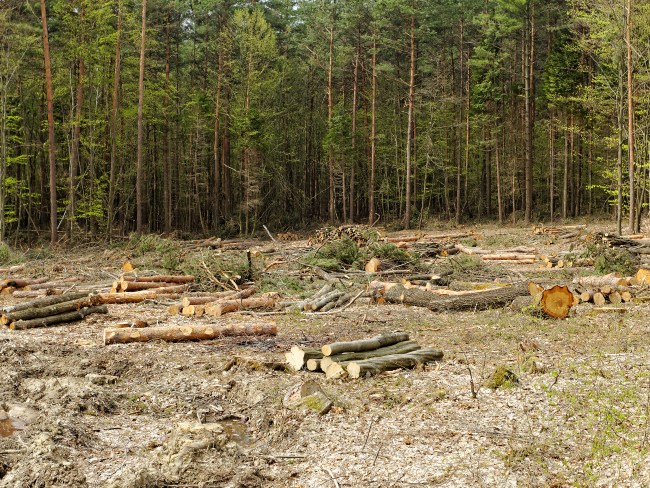
Virtually all aspects of the natural ecology within Harvesting Area B are affected by industrialization and land use change. As of 2018, 15,306 km2, or 12% of the land within this region, had been directly modified by human activities. The real impacts to the environment are much greater, as this figure does not account for pollution, habitat fragmentation, invasive species, climate change, wildfires, or any other indirect effect.
Many of the McMurray Métis’ cultural practices involve harvesting or utilizing traditional resources and rely on a healthy mutual relationship with the land. In this social context, there is no strict separation between environmental and cultural effects. Impacts that affect the environment, such as pollution that affects clams, beavers, or berries, for example, also affect Métis culture, by affecting both the Métis space to engage in the traditional practices, and the valued resources harvested using traditional practices.
To better represent the Indigenous perspective on cultural and environmental concerns, McMurray Métis uses the Cumulative Environmental and Cultural Effects Model (see section 1.2), and has identified Métis Environmental and Cultural Components for protection. Community members identified air and water as the most fundamental components to Métis environment and culture.
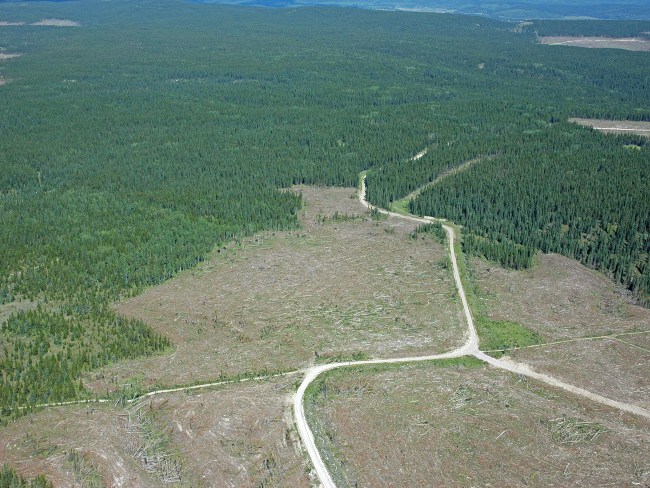
I’d have to say they [oil developers] eliminate the whole process for the trapper, because you’re hindered, they’re, like I said, they cut all these seismic lines, they create all these different roads, they create noise pollution, they upset dens, they just mess up the whole cycles of the animals, right?
Sheryl Huppie
Cultural & Environmental Concerns
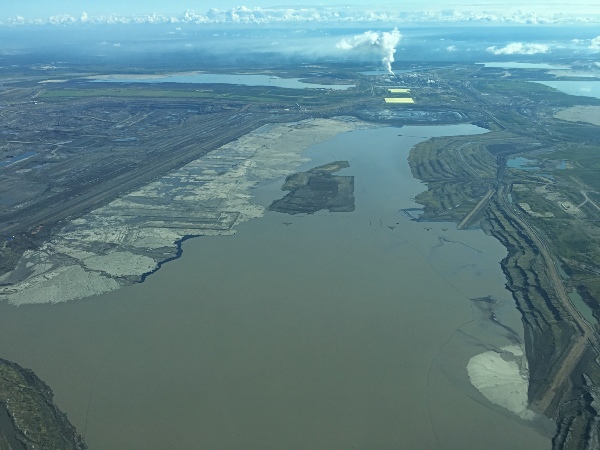
Direct habitat loss is one aspect of environmental impact within Harvesting Area B. Other types of land use change may be associated with the release of pollutants through road runoff, tailings seepage, herbicide and fertilizer application, industrial dust, and exhaust from vehicles and facilities or other types of disturbance associated with in-situ oil sands extraction and hydrological alterations (Craig et al. 2021).
There’s some animals that I have seen where they have like the tailings ponds and the recycled water and stuff like that, those ponds that they make out on site, and the animals get in there, and then they end up with these really massive... like cancerous [growths]... their sides are just full, and to me the best way I can describe it is it looks like a bunch of grapes but it's just ulcers on the outside of the animal, right, and I’ve seen a lot of that.
Sheryl Huppie
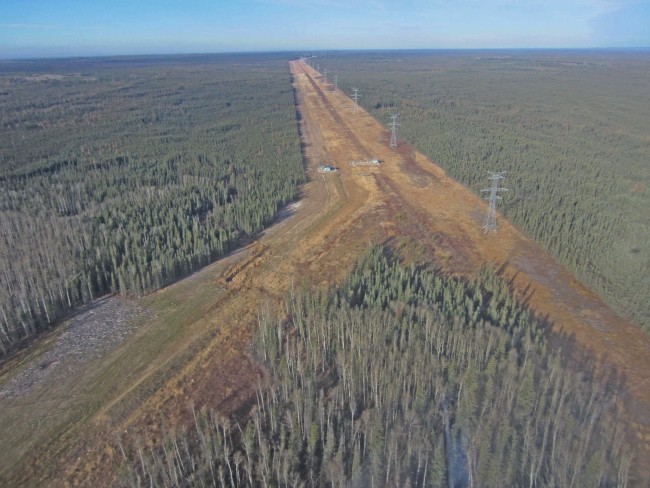
Within Harvesting Area B, as of 2018, there are 698 km2 of energy and mining projects, including oil sands mines and well pads, and an additional 342 km2 consisting of overburden dumps, wastewater lagoons, and landfills. Tailings ponds occupy 249 km2 and are concentrated along the Athabasca River and its tributaries, where they are known to cause hydrocarbon and trace metal seepage, with uncertain biological impacts (Fennell and Arciszewski 2019).
The water is important, and we see it with oil sands mining they use a lot of water and a lot of this processed water now has to be returned to the river, so that requires a lot of monitoring, and we've got to see how nature is able to adapt to some of the contaminants that are there.
Bill Loutitt
Land use Change
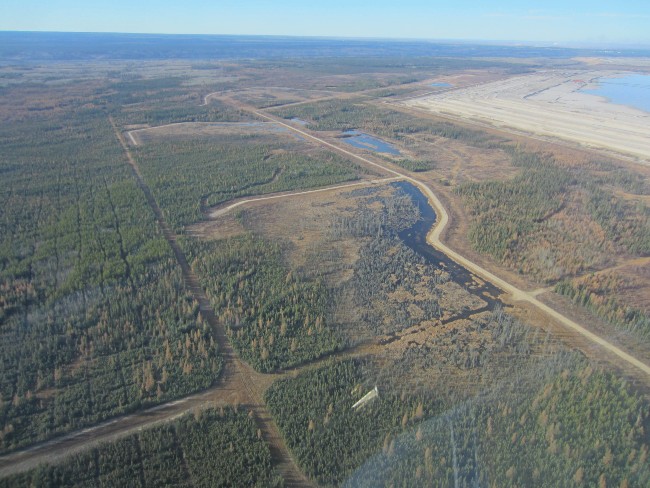
Land use change requires road construction, which itself is an impact, and which allows for spread of invasive species, increases ease of access for recreation, and enables future development. Transportation and service corridors have the largest impact (by area) to lands in Harvesting Area B, directly covering 6,911 km2 in 2018.
The oil sand development has a lot of impact on what we’re doing. On our line especially, when they decided they were going to do exploration, they cut lines all over. For example, last year, they did on a 62 square kilometer area they put 2,700 and some kilometers of seismic lines, one meter wide, which has a big effect on our area.
Doug Golosky
This translates into a much greater area that becomes fragmented, reducing the land’s value to sensitive wildlife and disrupting ecological function.
For example, migrating animals may be forced to cross highways, leading to roadkill mortalities, and predators are able to hunt along human-made corridors, putting additional pressure on their prey. Section 2.2 shows that habitat fragmentation is extensive within Harvesting Area B, affecting almost the entire region. Métis traplines are highly fragmented by transportation and access infrastructure, which impacts wildlife and allows access by outsiders. McMurray Métis trappers have increasingly experienced theft and vandalism on their traplines and frequently come across garbage and dumping in the bush.
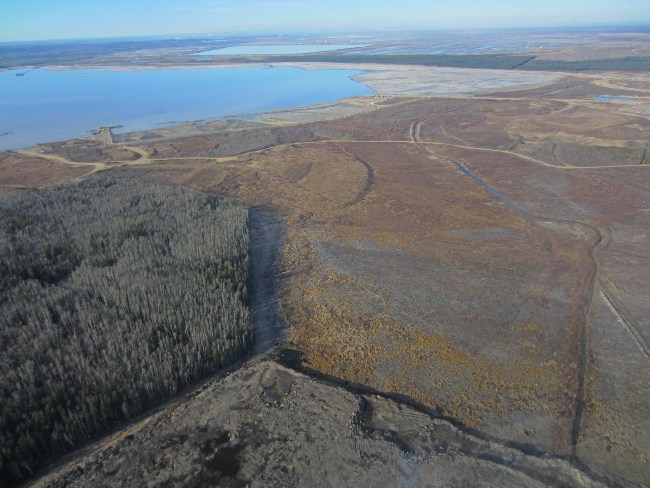
I find since the industry has come... come in full swing they’ve created seismic lines which essentially is like a superhighway for animals, and it kinda gives one species an upper advantage over the other ones, so, for example you look at caribou and moose, they’re really good at running through thick bush and stuff like that, whereas the wolves and coyotes can’t really, they’re not as agile I guess you could say, but with the seismic lines and all that in the areas, it’s really easy for them to corner the animals.
Sheryl Huppie
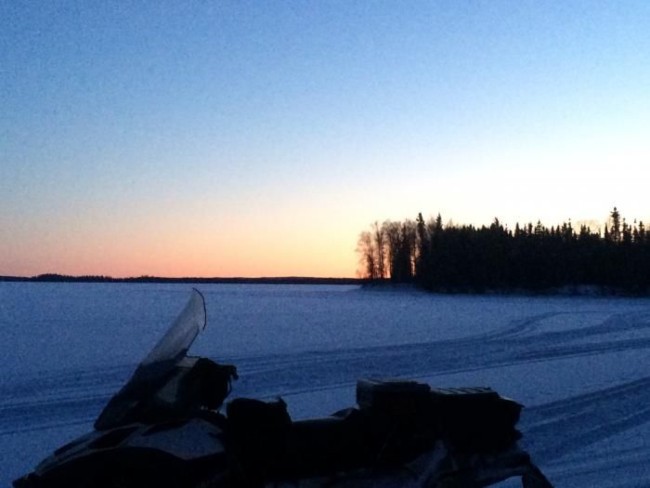
We have a lot of outside influences that affect our region, the oil and gas, forestry, exploration, the population. As the resource grew, more people came here. More people came here, put more pressure on our region, right? There’s more people fishing, more people out hunting in the bush, there’s more people all over. If we leave stuff in the bush like we used to do, people steal it, or they wreck it.
Doug Golosky
Wildfire
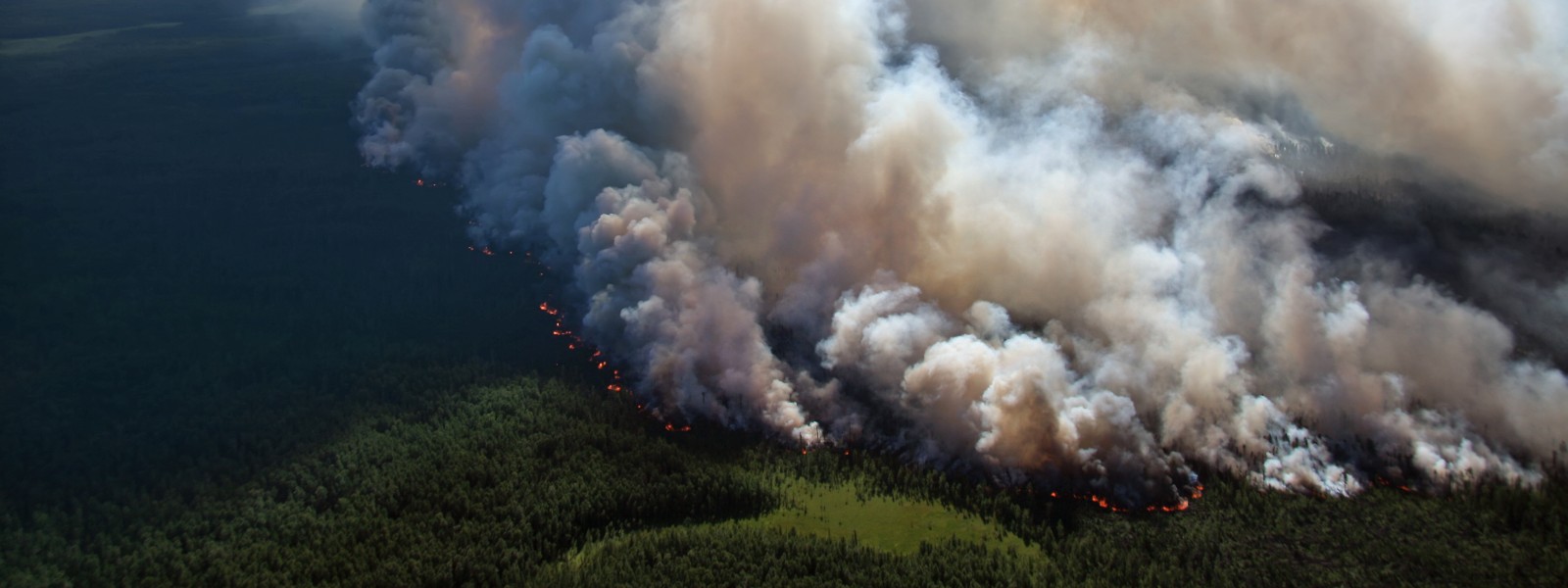
Another important concern for Métis land use is the threat from wildfires. There has been an increase in the number and size of wildfires over the decades since the 1930s, with especially serious wildfires in Harvesting Area B in 2016, which altered many Métis traplines and even burned down the McMurray Métis office in Fort McMurray.
I say that it has a major effect, the wildfires, on animals because it, it takes everything, right to the ground, trapping starts with the smallest of things, the mice, right? The mice feed the bigger ones and its not just the mice but the seeds, its all the stuff that has been totally destroyed by the fire, that takes three to five years to come back.
Leonard Hansen
Since the year 2000, there has been a marked increase in the annual burn within the region, with major fires occurring almost every season. Climate change contributes to larger, more intense, and less controllable fires in the boreal forest (Wotton et al. 2017), and may be a contributing factor to this trend. Additionally, human activity is a leading cause of wildfires, and the increase in human access has raised this risk over the years.
Recent wildfires have affected the traplines and camera locations utilized in this study. The Horse River Fire (2016) burned 44% of one trapline and 82% of another trapline used here. In the three traplines used for this project, burned areas are more extensive than unburned areas, with only 18% to 34% of these traplines unaffected by burns in the fire record.
This year so far it was very bad trapping. There wasn’t... for some reason we didn’t have the fur we had last year. The fire in 2016 really affected us. I lost around 80 percent of my trapline. I lost all of my cabin, all of my equipment. I had to start over. But it’s coming back, just keep plugging away.
Doug Golosky
Wildfire Data
| Decade | Area % |
|---|---|
| 1930s | 0.0 |
| 1940s | 6.1 |
| 1950s | 2.5 |
| 1960s | 1.5 |
| 1970s | 2.3 |
| 1980s | 11.9 |
| 1990s | 4.0 |
| 2000s | 5.8 |
| 2010s | 11.8 |
| 2020 | 0.0 |
References
Craig, A.T., R.T. Amos, and P. Gammon. 2021. Heated column experiments: A proxy for investigating the effects of in situ thermal recovery operations on groundwater geochemistry. Journal of Contaminant Hydrology, 237:103755. https://www.sciencedirect.com/science/article/abs/pii/S0169772220303442
Fennell, J. and T.J. Arciszewski. 2019. Current knowledge of seepage from oil sands tailings ponds and its environmental influence in northeastern Alberta. Science of the total environment, 686, pp.968-985.
Wotton, B.M., M.D. Flannigan, and G.A. Marshall. 2017. Potential climate change impacts on fire intensity and key wildfire suppression thresholds in Canada. Environmental Research Letters, 12(9), p.095003.