

Section 1.4
Methodology Introduction
Overview of project methodology.
Introduction
To understand the effects of industrial activity on culturally important species, the community identified traplines that were closer and further away from development. Two were chosen for their proximity to oil sands mines and in-situ development, and a third was chosen to represent a more natural state away from development.
Overview
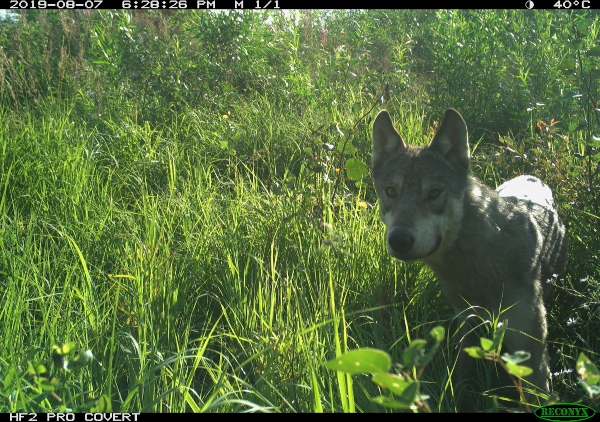
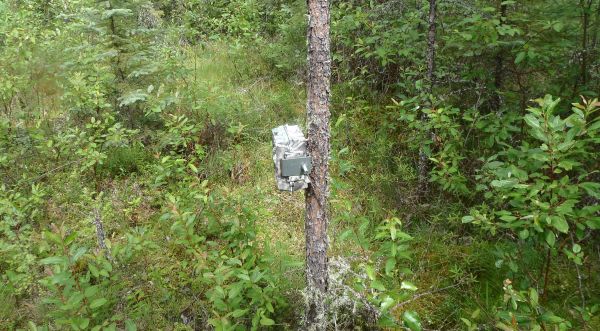
First, using western science methodology, wildlife cameras were used as a way to monitor small furbearers, large ungulates, and predators (bears, wolves, coyotes).
The resulting data were then used to record reactions from the community members that use the traplines and have a connection to the land, using Indigenous Knowledge Methodology.
Workshops
Community Engagement Workshops
As part of this project, multiple workshops were held with McMurray Métis members and InnoTech Alberta and/or the ABMI:
-
In 2018 the workshops included the project kick-off and work with the trappers to identify camera station locations, camera set-up training, and preparation for camera deployment on the traplines.
-
In 2019, the workshops included training for camera service and maintenance in the field; the use of WildTrax to tag the first year’s images; discussions of Year 1 activities; and planning for Year 2, including discussions of lessons learned and documentation of safety protocols for field work.
-
In 2020, our workshops were held virtually to follow public health measures related to the COVID-19 pandemic and included a review of Year 2 activities, planning for Year 3 field work, development of the online report table of contents, review of camera data analyses, and planning for community member interviews.