Previous Page:
Western Science Methodology
Next Page:
Context

Scroll for more

Getting Started

How to Navigate the Report

There are two ways to navigate this report described below. If you are interested in the full report, we encourage you to start from the beginning with Chapter 1: Introduction and simply use the "turn the page" function.


Table of Contents

The Table of Contents is accessed through the "hamburger menu" icon located in the bookmark on the left-hand side of each page. This report is broken down into four chapters. From this menu, you can easily navigate to any Chapter/subsection/page in the report, or return to the home page.

An abbreviated version of the Table of Contents is also accessible in the footer, at the bottom of each page.

The arrows at the bottom left-hand of your screen will sequentially take you through the report, page by page. For example, press the right arrow to move from Section 1.1 to Section 1.2. The forward arrow (>) allows you to turn to the next page while the back arrow (<) allows you to return to the previous page.


Information Guide

This icon can be found in the middle of the bookmark located on the left-hand side of each page in this report. It provides the information above on how to navigate through the content. You can access this guide anytime without leaving the current page you’re visiting.

Section 1.6

Indigenous Knowledge Methodology


Interview methodology from an Indigenous knowledge perspective.

Interviews
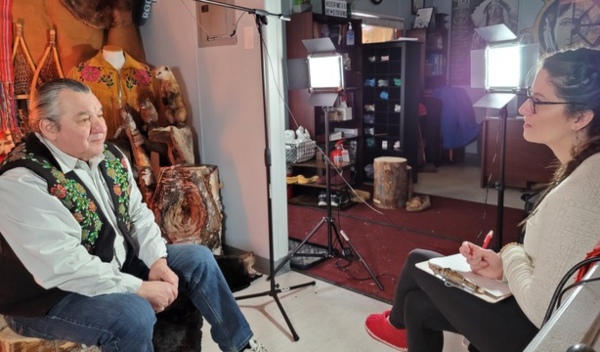
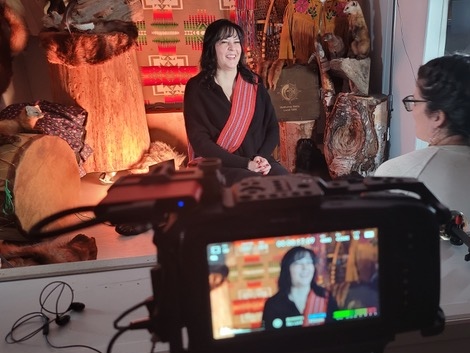
An interview process was completed with the participating McMurray Métis trappers and other McMurray Métis members, to link Indigenous knowledge and Western science results at both the trapline and regional scale.

A set of questions was developed for the trappers to elicit Indigenous knowledge of the traplines and discuss generally if the data analysis of the camera images aligned with the trappers’ observations on the traplines. A second set of questions was developed for McMurray Métis land users and knowledge holders to discuss the change in the McMurray Métis territory over time and observations related to impacts of oil sands development on traplines and cultural practices. Both sets of questions inquired about the role of monitoring and youth in sustaining trapping as a cultural practice for the McMurray Métis community.
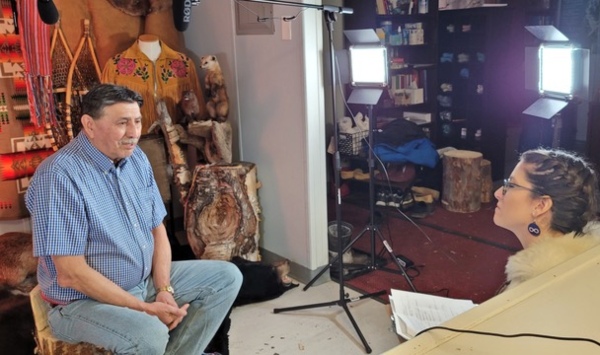
The interviews were conducted by Melanie Walsh from the McMurray Métis communications team, and Jerry Neville of Neville Video Productions in March 2021.

Quotes from the interviews are embedded throughout the online report to highlight McMurray Métis members’ perspectives related to oil sands development and the importance of trapping to the community.